
The Devil in disguise
How the 1980s Satanic Panic started in Hull (part one)

When investigative journalist Roger Cook died recently most of the obituaries written him about skated over his role in creating what became known as the UK’s Satanic Panic.
By the time The Devil Rides Out was aired in July 1989, his weekly Cook Report was one of the most popular programmes on TV.
Cook’s aggressive foot-in-the-door reporting style had become his trademark and viewers loved it.
His latest episode promised to reveal the supposed widespread extent of ritualistic Satanic child abuse in the UK. Hyped in advance by tabloid newspapers, it attracted an audience of eleven million viewers.
The programme’s main unchallenged claim was that young children were secretly being sexually abused and murdered by gangs of devil-worshipping Satanists somehow operating beyond the reach of the law.
Few of those watching would realise Cook’s revelations were, in reality, groundless fantasies. Even fewer would know the seeds of the Satanic Panic were first sown in Hull.
When I first joined the Hull Daily Mail in July 1984 one local story - an unsolved murder - dominated the headlines.
Four months earlier the body of nine-year-old Christopher Laverack had been found in Beverley Beck two days after his disappearance from his sister’s home in East Hull. His body was wrapped in a plastic bag previously used to carry carpet underlay and was weighed down by a brick in an apparent attempt to conceal it at the bottom of the Beck.
A post-mortem examination confirmed Christopher had suffered injuries consistent with serious physical violence. There was also evidence to suggest he had been sexually assaulted.
Public speculation about the murder soon started to swirl but in those pre-Internet days it was mainly confined to Hull’s bars and clubs as well as newspapers.
Later in that same year, the Hull Daily Mail ran a number of short stories about an ex-social worker called Dianne Core.
She was one of the organisers of a fund-raising appeal aimed at helping a neighbouring family secure a life-saving liver transplant for their five-month-old son.
Core had appeared in the paper before. In 1982 she made the front page by staging a solo protest about public funding being given to Sir Freddie Laker’s ailing airline business. Wearing a sandwich board daubed with the slogan ‘Down with Laker mania!’, she took to the streets of Market Weighton to argue funding should instead be given to set up more centres for victims of domestic abuse and, in particular, children.
She was back in the headlines a few years later after writing her own cookery book featuring ideas for recipes on a budget. As part of the project, she wrote to the leaders of the country’s two main political parties inviting them to send their favourite recipes. Labour’s Michael Foot replied with a suggestion for cheese and potato pie but Margaret Thatcher’s office said the Prime Minister was not able to respond.
In the story, Core said she was “disappointed” with Mrs Thatcher. “She obviously doesn’t know any budget meals. I don’t know what she must have eaten when she was a grocer’s daughter,” she said.
It was an early sign that she had a knack for self-publicity, Core knew how to attract media attention. The fund-raising appeal for the toddler took off but she was also busy with another initiative as another Mail story would cover.
This time she told the paper she was planning to become an “agony aunt” for the children of striking miners. “Miners’ children must really feel cut off and unable to confide to even their nearest and dearest,” she said. “I would like them to write to me expressing all their fears and unhappiness. I cannot guarantee to write back to everyone but I will do my best.”
Becoming an agony aunt might have sounded like a random idea but it wasn’t.
At the time she was already giving talks in some local schools about children at risk of abuse, drawing on her own experiences as a social worker and founder of a family crisis centre when she lived in Lancashire before moving to Everthorpe near North Cave. She also acted as a fund-raiser for the National Society for the Prevention of Cruelty to Children.
Years later she would reveal her own father had sexually abused her as a child.
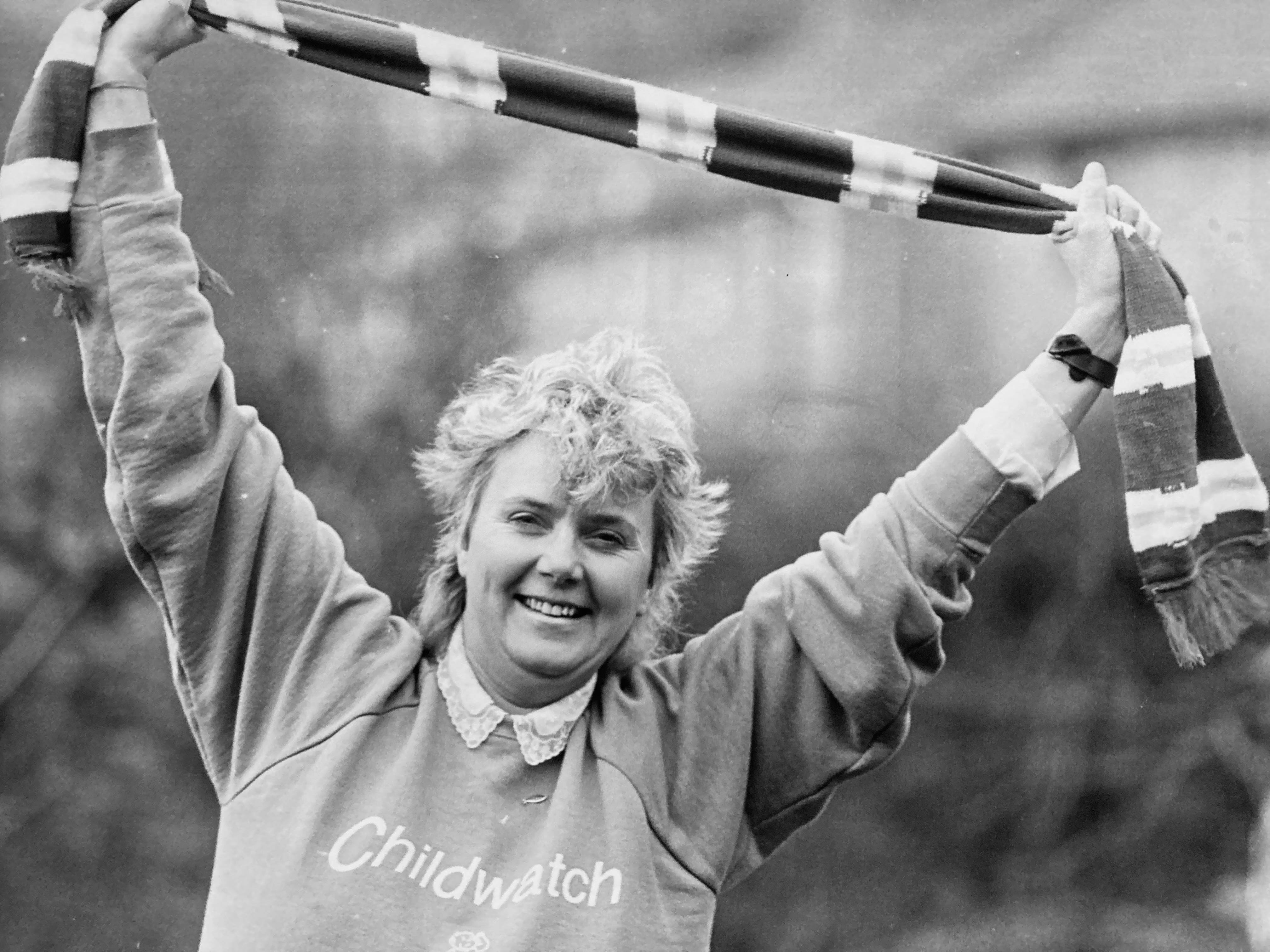
In April 1985 Core’s public profile increased significantly when she launched a new group called Childwatch in response to the ongoing inquiry into the case of four-year-old London girl Jasmine Beckford who was beaten to death by her stepfather.
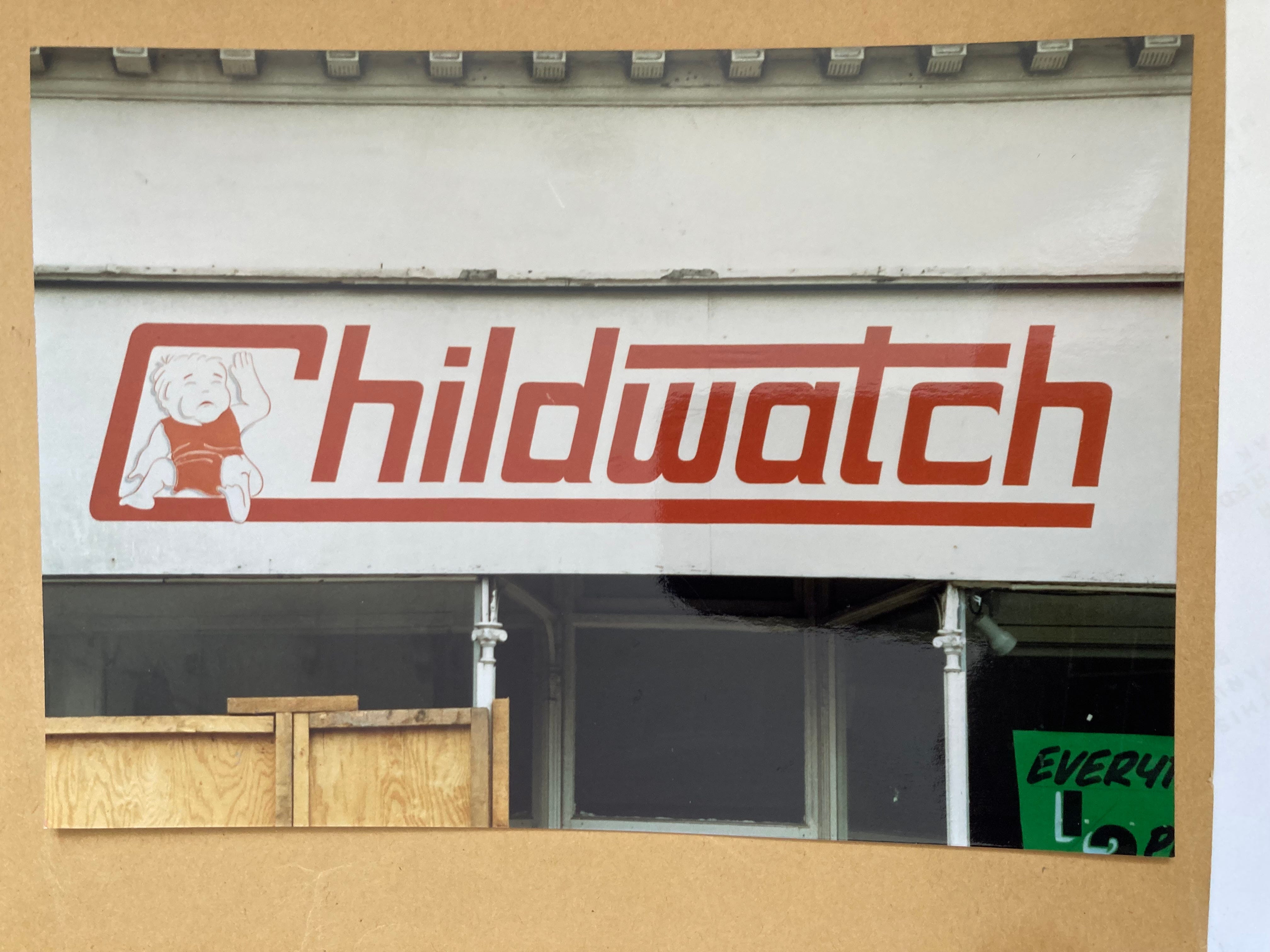
Once again, the launch was covered in the Mail with Core giving a lengthy interview in which she lambasted “trendy Lefty social services” for being more interested in politics than protecting vulnerable children. She also blamed the break-up of the traditional extended family and “a lack of community spirit” for domestic abuse. It was time, she said, for a new moral crusade.
The article ran under the headline “A bid to end child battering”. Core herself used the phrase in the interview. “It takes the death of a child for the country to sit up and notice. We want people to be aware of what goes on all the time and to do something about it. As far as we are concerned, child battering is as big a social disease as alcoholism and drug abuse.”
In the local media, she was billed as a “campaigning housewife”. The catchy nickname quickly stuck.
The group published its own seven-point action plan. Most of it appeared uncontroversial if somewhat ambitious as just Core and a friend were involved at this point.
As part of its manifesto, Childwatch would start monitoring child abuse cases across the UK, compiling statistics, encouraging liaison between all organisations involved in child abuse cases and pledged to deliver a report to the government within 12 months putting the case for the creation of specialist teams of social workers in every town and city to deal with domestic violence.
However, one of the aims was more radical. The group intended to operate as “mediators” between child abuse victims, their families and social services. In doing so, Childwatch would encourage children and families to get in touch with them as well as social services and, ultimately, the police.
The potential for friction and conflict between the group and the agencies was not mentioned. Perhaps it was never envisaged by Childwatch. However, with the benefit of hindsight, the sudden presence of a third-party organisation gathering of its own evidence from victims presented obvious risks when it came to the statutory bodies relying on their own evidence when taking action in particular cases.
As the Beckford case had underlined, both the understanding of child-related domestic abuse and the way it was managed by social services and investigated by the police were still very much in their infancy in the early 1980s.
Initially, Childwatch’s activity followed a conventional path. A local Christmas appeal for soft toys generated hundreds of donations, a poster campaign was launched and a dairy business agreed to promote the charity on stickers attached to its milk bottles.
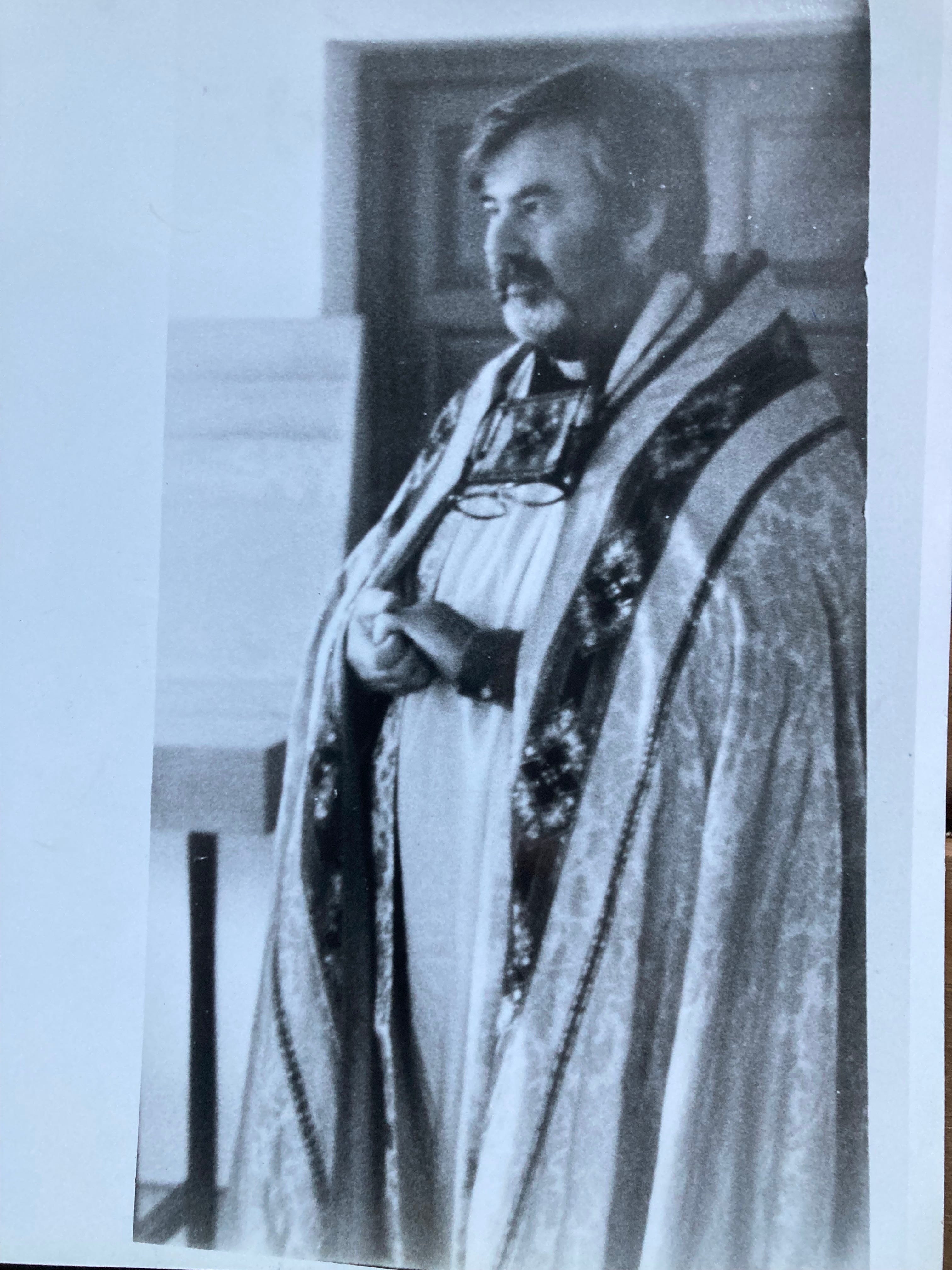
As the group started to find its feet, a small team of police detectives began investigating serious allegations of child abuse by the Reverend Jan Knos, a vicar on the Orchard Park estate in North Hull.
It was claimed that Knos had sexually assaulted an under-age boy at the church where he worked.
Soon, Dianne Core and Childwatch would also become heavily involved, befriending the family of alleged victim and offering them sympathetic support.
It was a subtle shift in direction for the group, which was also a registered charity. Until then, Core’s focus had been on child abuse in a family setting. This was something different.
Ian Halstead, who was the Mail’s crime reporter at the time, recalls the trigger behind the police investigation.
“The real story, which I don’t think we ever covered, was that Knos had been assaulted by the father of one of his victims in his vicarage.
“He answered the door, the bloke punched him in the face and when he fell, he caught himself on his pushbike which was leaning on the wall in the hallway. Tower Grange (the station where the local CID team was based) interviewed the attacker, and obviously immediately realised that the real story was something deeper and much darker.”
The origin of the police probe wasn’t the only unreported element of story. In fact, details about the entire investigation and its eventual outcome did not enter the public domain until some months after it was all over.
Legally, neither Knos or the family of his accuser could be named by the media. An alternative option of simply stating that an anonymous Hull vicar was the subject of a police investigation was also legally unwise because it cast a cloud of suspicion over the relatively small number of other vicars in the city.
Only the pressing of formal charges against him would put Knos’ name in the frame but that didn’t happen. To the shock of many close to the issue including Dianne Core, Humberside Police eventually shut down the investigation into Jan Knos.
Halstead, who established good relationships with the detectives in the case, says the decision left his CID contacts angry and frustrated.
“According to them, Knos was as bad as a serial abuser could be. Took kids from poor families and then used his position to fob off complaints.
“However, when the Detective Chief Inspector pushed the info further up the chain, he was told that the Assistant Chief Constable and/or the Deputy Chief Constable decided a prosecution would ‘not be in the public interest’ when to you, me, Dianne Core and everyone else it most definitely would have been.
“The DCI got the hump, moaned to the Detective Inspector and they got their Detective Sergeant to tell me about the video shop.” More on the video shop in a moment.
The suspicion - impossible to prove then as it is now - was that senior officers in the force who were known to be actively religious had secretly agreed to kick the matter into the long grass after being discreetly lobbied by the Church of England.
This feeling was underlined by something only a few people knew about at the time.
Remember the angry father who punched Knos in the face? He was arrested and charged with assault but just before the case reached court he was told the charge was being dropped. As a result, any publicity about the incident was avoided.
In reality, it’s likely senior officers were nervous of any case against Knos going to court without a rock-solid mountain of evidence against him. Non-familial child abuse prosecutions were still rare in those days. Ones involving a prominent public figure like a local vicar were even rarer.
As it was, no real explanation for the investigation into Knos petering out was given to the families. Again, it would take an extraordinary intervention some months later for an official reason to be finally put on the public record by the police - a lack of strong corroborating evidence to make a convincing prosecution case in front of a jury.
The story tip handed to Halstead was the CID’s way of firing one last parting shot across the vicar’s bows.
During their enquiries they discovered Knos also owned a video rental shop in Sutton which stocked a small selection of X-rated soft porn titles alongside more mainstream films.
While Halstead started writing the skeleton of the story I was sent to Sutton on a cold, wet November afternoon to see what was lurking on the top shelf of the vicar’s shop. One of Emmanuelle films and a few more suggestively-titled soft porn videos were all I could find.
As well as the top shelf material, the story covered a decision taken by Knos to quit his job as the parish priest along with his support for an overhaul of the Sunday trading laws which would allow him to open his video shop at weekends.
Approached by Halstead for a comment, the vicar told him: “Almighty God did not say you could not work on the Sabbath, he just said that you should keep that day holy. The Almighty said you should rest on the seventh day. He didn’t say which day that should be.”
He didn’t dispute the shop’s limited catalogue of X-rated videos but, after the story was published, contacted the paper again to say they had been removed.
We got a story of sorts (carefully avoiding any mention of the police investigation to keep within the law), the detectives got their consolation prize but Dianne Core and the family were left without the arrest and conviction they were hoping for.
“The family were angry and begged Core to help them, because the police and their local paper did nothing,” says Halstead. “They were desperate for help from someone.”
Local outage ran deep. Bob Webster, a deputy head teacher at a primary school on the estate, was so incensed at the police dropping the case that he became a trustee at Childwatch alongside Core and later acted as head of the group’s North Humberside branch.
Webster claimed the police had been too slow in responding to local concerns about Knos, missing the opportunity to put him under covert surveillance.
Halstead still maintains Core did not manipulate the situation in her self-appointed role as supportive mediator.
However, once the police investigation came to an abrupt end, she immediately started working with the family of the boy with a view to bringing a private prosecution against Knos and, aware of the corroboration issue, also began searching for other children who might have been assaulted by the vicar but had so far remained silent.
Some had already been interviewed by the police. Others came forward to speak to Core.
“Core realised that if others wouldn't act, Childwatch had to raise its profile and attract national attention,” says Halstead.
To achieve that, she turned to another new trustee at the charity - the MP Geoffrey Dickens.
Instead of enlisting the help of a local MP, Core linked up with up with a controversial politician representing a constituency on the other side of Pennines who appeared to share many of her own views.
At the time, the Conservative MP for Littleworth and Saddleforth was a headline-grabbing self-publicist who had carved out a niche for himself as a child abuse campaigner, having once used parliamentary privilege to accuse a prominent British diplomat of being a paedophile.
Could Dickens use the same procedure in the House of Commons to name Knos ?
The outspoken MP was a favourite of the national tabloid press. He could be relied on to provide a controversial comment at the drop of a hat and became known for compiling his own dossiers on supposed VIP paedophiles which would often be touted as compelling evidence of their crimes.
In reality, Dickens’ dossiers often turned out to be nothing more than his own cherry-picked collections of newspaper stories, gossip, innuendo and pet conspiracy theories. Famously, one dossier on fellow Tory MP Leon Britain went ‘missing’ after being submitted to officials at the Home Office. Others hyped up by Dickens in often lurid tabloid stories would simply never materialise despite his threats to go public with them.
Happy to lap up his opinions and frequently unsubstantiated claims while providing him with the limelight he loved, few media outlets dug deeper into Dickens’ underlying motivations.
Had they done so, this alternative take on Dickens might have held more sway.
“Dickens was an intolerant right-winger of the ‘Hang ‘em, Flog ‘em and Stick 'em in the Army brigade. He specialised in getting attention based on the most provocative policies to pander to the worst kind of herd-instinct. A gift to the tabloid press he became 'rent-a-quote' for the unacceptable face of Conservatism during a period when the Tories were trying to move towards the political centre.
“He demanded castration for rapists, said that that AIDS victims should be forced to have their penises tattooed to warn prospective partners; and actually accused some gays of consciously using AIDS to kill others to get their own back on society. About one rapist he said: "If he was a dog he would have to be put down.”
The withering description is the work of the Sub-Culture Alternatives Freedom Foundation. The non-profit group was set up in 1988 to counter increasingly hysterical tabloid coverage around claims of Satanic ritual abuse (SRA) with Dickens among those shouting about it the loudest.
The group was alarmed at apparent attempts by some to deliberately conflate SRA with contemporary Paganism, witchcraft and occultism. Since then, its densely-populated website has become an indispensable archive on the subject.
SAFF also noted two unsuccessful campaigns by Dickens to bring back hanging, his regular calls for homosexuality to be re-criminalised and his repeated demands that the Church of England sack all gay vicars.
Dickens was a Christian lay preacher with an entrenched religious outlook. In his eyes, homosexuality was a sin and all gay men and women were deviant criminals. For him, homosexuality had no place within the Church of England.
Publicly at least, Core was less initially open about her religious views but with her already well-documented comments on the apparent erosion of the traditional family unit and her distain for “trendy Lefty” social workers, she and Dickens seemed to be singing from the hymn sheet.
By early 1986 Core and Dickens were formulating a plan to put Knos behind bars. It would take the form of a pincer movement.
While Core began gathering her own evidence from other families whose children had encountered Knos, Dickens starting laying the groundwork to go public with the allegations.
Although regarded as a maverick backbencher by many of his own Conservative colleagues at Westminster, he could still use his political contacts and wield influence thanks to his reputation as someone prepared to name alleged offenders with the legal protection of Parliamentary privilege to bring pressure on the Director of Public Prosecutions.
It was agreed he would name Knos to force the DPP to act. If that failed, Childwatch would support a private prosecution by the family it was working with.
On March 14 Dickens stood up in the House of Commons and named an Essex doctor who was alleged to have raped an eight-year-old girl. The case had also run into a dead end with the local police unable to secure sufficiently robust corroborating evidence. Afterwards, Dickens publicly confirmed he was also considering naming “a Hull vicar” in relation to the alleged sexual assault of an 11-year-old boy.
This partial reference was enough to unleash the national media. The vicar angle was impossible to ignore.
Supplied with information about the case by Dickens, national newspaper reporters and photographers were soon camped outside the vicarage where Knos lived and stories about the police investigation started to appear in national newspapers. for the first time with Core prominently quoted in many.
The local media were more cautious. Mike Wood, who was my editor at the Hull Daily Mail at the time, wrote a front page comment piece on Dickens’ threat to name Knos and the developing national media coverage of the issue.
Wood said: “The principal tenet of English law is that a man or woman is innocent until proven guilty. It should be recited by all those who seek to damn people accused of crimes before the case against them had been heard in court.
“To publish unsubstantiated allegations against a named individual would be morally indefensible and legally dangerous since the laws of libel are designed to give the individual redress if falsely accused.
“Sexual abuse of children is an appalling crime and one which is belatedly receiving the attention it deserves. Public concern over these offences should not be used as a cover for witch-hunts.”
However, that didn’t stop him reporting on Dickens. I know because I wrote a story published on the day Dickens was due to go public, quoting the MP directly.
By then, allegations against Knos by other families backed by Childwatch were starting to appear in several newspapers. Even his ex-girlfriend gave an interview on condition of anonymity. She would later claim the quotes attributed to her in the Daily Star.
Meanwhile, Mike Wood’s concerns about witch-hunts were now being played out in Orchard Park as stones hurled from a distance smashed windows at the vicarage.
Caught in the crossfire, the Church of England announced the still-unnamed vicar intended to resign from his post after twice declining invitations to do so from senior church figures.
Core the told newspapers that she had briefly met Knos after he had telephoned her following Dickens’ initial announcement on his intention to reveal his identity.
She revealed they had agreed to a longer follow-up meeting to discuss the allegations.
“He is still trying to brazen it out and I’m sure he will deny everything,” she told reporters.
At this point, Knos hadn’t even been arrested let alone charged with any crime.
When the vicar suddenly cancelled their scheduled meet the next day on the advice of his solicitor, Core again went to the media to provide an update.
Three days after naming the Essex doctor, Dickens rose once more from his seat in the Commons having given prior notice of his intention to name Knos publicly for the first time.
However, his increasingly cavalier approach to parliamentary immunity was becoming a concern to many MPs. One senior Conservative, Norman St John-Stevas, wrote to Dickens complaining he had broken parliamentary convention by interfering in cases in another MP’s constituency. St John-Stevas, who was gay but never openly came out about his homosexuality, described Dixkens’ behaviour as “disgraceful”.
As a result, the Speaker of the House denied him the opportunity to speak on procedural grounds.
Undeterred, the focus switched to the office of DPP where, following instructions from Attorney General Sir Michael Havers, a review of police files from the investigation had begun.
Another twist in the tale emerged when it was revealed Humberside Police had not submitted the original files to the prosecution service for an opinion before shutting down its enquiry.
Some suggested it was confirmation of a local cover-up by senior police chiefs. Dianne Core described it as a “betrayal”, having believed information she had given the police at the time was passed on to prosecutors.
At the request of the DPP, the police re-opened the investigation. Officers were sent out to re-interview some of the witnesses they had already spoken to months earlier while Core continued to tell reporters she was convinced the children she had spoken to were telling the truth.
Within a month Jan Knos was arrested and charged with committing 28 indecency offences against young boys and girls between January 1983 and September 1985.
Some of the charges related to alleged sex assaults in the vicarage. Others were allegedly committed in a lay-by, at a caravan near Beverley and at a local outdoor trial bike racing track.
At his first court hearing in Hull he was remanded in custody for his own protection after stipendiary magistrate Neville White was told both Knos and his home had been targets for violence in recent weeks.
Even in custody on remand awaiting his trial Knos continued to attract lurid tabloid newspaper coverage. At one stage, Hull Prison governor Philip Wheatley was forced to dismiss claims in a national Sunday paper that Knos had started a “religious cult” inside the jail after setting up an altar in his cell.
A date for the trial at York Crown Court was fixed for early November 1986 but it never took place.
A week before the trial was due to start Jan Knos was found dead in his cell in Hull Prison. He had suffered a fatal heart attack.
In the eyes of the law, Knos died as an innocent man. He always denied the allegations made against him.
Without a trial, his innocence or guilt would never be determined although a year later a 13-year-old boy who claimed he had been sexually assaulted by Knos was awarded £3,000 after making a claim to the Criminal Injuries Compensation Board.
By the time of the CICB’s pay-out, Core and Dickens were becoming immersed in another police investigation in Hull linked to the as-yet unsolved murder of Christopher Laverack.
The era of the Satanic Panic was about to begin.
Next time: The Devil rides into Hull and Dianne Core joins Roger Cook on the trail of Satan.
Really fascinating. An American podcast I listen to have explored the satanic panic in the US a lot, but I have never really thought much about how things unfolded over here, never mind in Hull. Will look forward to the next instalment. Funnily enough, the same podcast did quite recently cover Bruce Lee in as series about arsonists, which I found so interesting as most people living in Hull don't seem to have heard of him, despite his status as arguably one of Britain's worst serial killers. Shame the dark history museum didn't survive because there is so much to delve into!
Excellent reporting. I am looking forward to the rest of the story.